
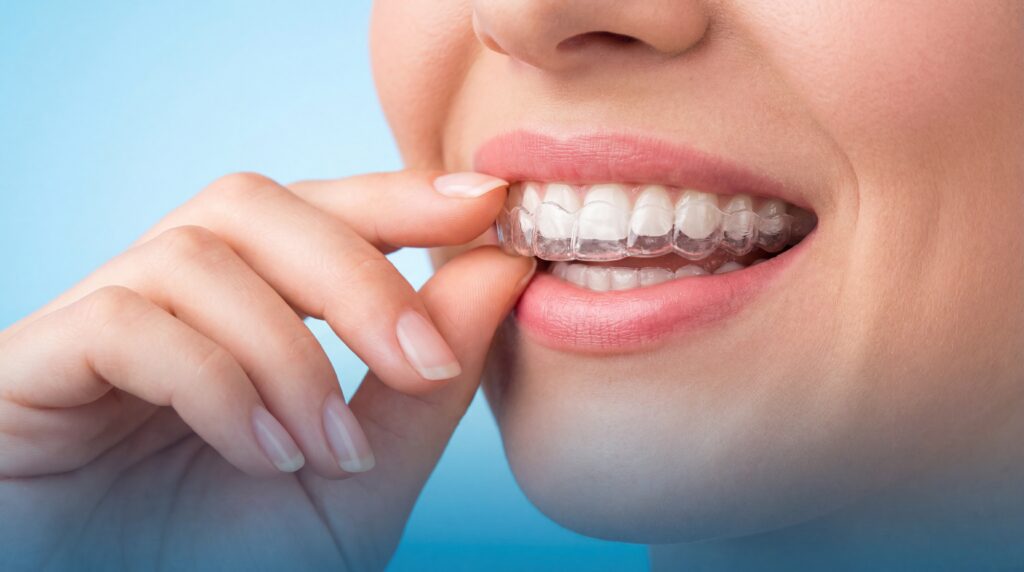
Starting Invisalign clear aligners often comes with one big question: how fast will my teeth actually move? It is completely natural to want quick results, especially when you are committing to wearing aligners every day. The good news is that Invisalign is designed to move teeth in a controlled and predictable way. But the speed of movement depends on several factors, not just the aligners themselves.
At Murphy Dental Group, PLLC, Dr. Brandon Murphy explains that every smile is different. As a Top 1% Diamond Invisalign provider, he has treated a wide range of cases. He understands how timelines can vary from person to person. While some patients start noticing changes within weeks, the full process takes time and consistency.
Let’s break down how quickly teeth move with Invisalign and what you can realistically expect.
How Invisalign Moves Teeth Step by Step
Invisalign works by applying gentle, consistent pressure on your teeth. Each set of aligners is designed to shift your teeth slightly from their current position toward the final result. Instead of moving all at once, your teeth move in small stages. Every aligner is part of a larger plan that gradually guides your teeth into alignment. These carefully planned Invisalign progress stages ensure your teeth move in a controlled and predictable way.
Most patients switch to a new set of aligners every one to two weeks. With each change, your teeth continue to move gradually. This step-by-step approach is what makes Invisalign both effective and comfortable.
When Do You Start Seeing Results?
One of the most exciting parts of Invisalign is that changes can begin early.
Many patients notice small improvements within the first few weeks. These early changes may include:
- Slight straightening of front teeth
- Improved spacing
- Subtle alignment shifts
Even if you do not see big changes right away, movement is still happening beneath the surface. The process is gradual, and visible results build over time.
Dr. Brandon Murphy often reminds patients that patience is key. Early progress is a great sign, but consistent wear is what leads to lasting results. This steady approach supports smooth treatment progress with Dr. Brandon Murphy.
Typical Timeline for Invisalign Treatment
While every case is unique, there are general timelines most patients can expect.
- Mild Cases
Small spacing or minor crowding can take around 4 to 6 months.
- Moderate Cases
More noticeable alignment issues may take 6 to 12 months to resolve.
- Complex Cases
Cases involving significant movement may take 12 to 18 months or longer.
At Murphy Dental Group, PLLC, treatment plans are tailored to your specific needs. Your timeline will depend on how much movement is required and how closely you follow your aligner routine.
How Fast Do Teeth Actually Move?
Teeth do not move all at once. They shift gradually under pressure from the aligners. On average, each aligner moves teeth by a very small amount, often fractions of a millimeter.
While this may sound slow, it is actually the safest and most effective way to move teeth. Trying to move teeth too quickly can cause discomfort and may affect long-term stability.
Invisalign is designed to balance speed with safety, ensuring that your teeth move in a controlled way throughout your Invisalign teeth movement timeline.
Factors That Affect How Quickly Teeth Move
Not everyone’s teeth move at the same speed. Several factors influence how fast your Invisalign treatment progresses.
- Consistency in Wearing Aligners
This is the most important factor. Aligners should be worn for the recommended hours each day. Skipping hours or removing them frequently can slow down progress.
- Complexity of Your Case
Simple cases move faster than complex ones. The more movement required, the longer it takes.
- Age
Teeth can move at any age, but younger patients may experience slightly faster movement because their bone structure is still developing.
- Oral Health
Healthy gums and teeth respond better to movement. Any dental issues should be addressed before or during treatment.
- Following Instructions
Changing aligners on schedule and attending checkups helps keep everything on track.
Dr. Brandon Murphy emphasizes that your daily habits play a big role in how quickly you see results.
Why Invisalign Does Not Rush the Process
It is important to understand that slower does not mean ineffective.
Teeth are supported by bone and tissue. When they move, the surrounding bone needs time to adjust. Moving too quickly can lead to instability or discomfort, which is why controlled Invisalign progress stages are essential for safe and lasting results.
Invisalign uses controlled pressure to allow your body to adapt naturally. This helps ensure that your results are stable and long-lasting.
Signs Your Invisalign Is Working
Even if changes are gradual, there are clear signs that your treatment is progressing.
- Aligners start fitting more comfortably after a few days
- Teeth feel slightly different when biting
- Small gaps begin to close
- Crowded teeth start to align
These signs show that your teeth are responding to the aligners as planned.
How to Keep Your Treatment Moving Smoothly
There are simple steps you can follow to keep your Invisalign progress on track.
- Wear aligners as recommended every day
- Switch aligners on time
- Maintain good oral hygiene
- Keep your aligners clean
- Attend all scheduled appointments
These habits make a noticeable difference in how quickly you achieve your results.
Do Some Teeth Move Faster Than Others?
Yes, different teeth can move at different speeds.
Front teeth often show visible changes first because they are easier to move, which is an important part of the overall Invisalign teeth movement timeline. Back teeth may take longer because they are larger and have stronger roots.
Your treatment plan is designed to coordinate all movements so your final result looks balanced and natural.
The Role of Attachments in Speed
Some patients may have small attachments placed on their teeth during treatment. These attachments help the aligners apply more precise pressure, especially for complex movements. While they may look small, they play a big role in improving efficiency and control.
In many cases, attachments can help achieve results more effectively without extending the overall timeline.
What Happens After Teeth Move?
Once your teeth reach their final position, the next step is maintaining that result. Teeth can shift back if not properly supported. This is why retainers are important after Invisalign treatment.
Dr. Brandon Murphy advises patients to follow their retainer schedule carefully to protect their new smile, ensuring stable teeth movement with Dr. Brandon Murphy and long term results.
Explore Invisalign Stories Guided by Dr. Brandon Murphy
Experience matters when it comes to aligner care. Patients who explore Invisalign stories guided by Dr. Brandon Murphy often mention feeling supported and informed at every step.
With over 1200 hours of continuing education, advanced training, and a commitment to staying current with evolving techniques, leadership at Murphy Dental Group, PLLC reflects a deep investment in patient outcomes. After earning a Fellowship award, Dr. Murphy achieved his Master’ship award in 2025, a distinction held by less than 2 percent of dentists.
In addition, Fellowship from the Academy of Clear Aligners is reserved for top clinicians in North America. As of 2025, fewer than 140 providers have earned this recognition.
Combined with being a Top 1% Diamond Invisalign provider, these credentials reassure patients that their care is guided by experience, precision, and ongoing education.
You can learn more about the approach and philosophy behind this care by visiting the Meet the Doctors page.
See Real Smile Transformations Shared by Invisalign Wearers
Transformation stories inspire confidence. Patients love seeing progress, not just in photos but in everyday interactions.
When you see real smile transformations shared by Invisalign wearers, you notice more than alignment changes. You see renewed confidence, relaxed expressions, and genuine smiles.
These transformations reflect consistency, professional planning, and personalized care. They also remind future patients that meaningful change happens gradually and steadily.
Getting Started With Care at Murphy Dental Group, PLLC
Patients interested in aligner care can explore available options through the practice’s dedicated Invisalign services page. Flexible financing options are also available; details are available in the payment plans section.
Scheduling a visit is easy through the contact us page. Patients can also find the office location using this Google Maps link or plan their visit with driving directions.
FAQ’s
1. How soon will I notice changes with Invisalign?
Most patients notice small changes within a few weeks, especially in the front teeth.
2. Can Invisalign move teeth faster than braces?
In some cases, Invisalign can be as fast or faster, especially for mild to moderate issues. It depends on the treatment plan.
3. What happens if I do not wear my aligners enough?
Your progress may slow, and your treatment timeline may lengthen.
4. Do teeth move every day with Invisalign?
Yes, teeth are constantly responding to the pressure from aligners, even if changes are not always visible.
5. Is faster treatment always better?
Not necessarily. Controlled, steady movement leads to better, more stable results.
Conclusion
Invisalign is designed to move your teeth gradually, safely, and effectively. While you may start noticing changes within weeks, the full transformation takes time and consistency. With professional care from Dr. Brandon Murphy at Murphy Dental Group, PLLC, and a commitment to wearing your aligners as recommended, you can achieve steady progress and long-lasting results. Understanding aligner changes with Dr. Brandon Murphy is key, and staying patient and consistent throughout your journey makes all the difference.
Remember: Consistent wear is the biggest factor in how quickly your teeth move. Small daily habits lead to steady progress and lasting results.
Disclaimer: This content is for informational purposes only and does not replace professional dental advice. Always consult your dentist for guidance specific to your Invisalign treatment plan.