
| Quick answer
Good oral hygiene supports a healthier mouth and may lower your overall cancer risk, but it works best alongside avoiding tobacco and heavy alcohol use and keeping regular dental checkups for early detection. |
| 2 weeks
See a dentist if a mouth sore lasts longer |
Every 6 months
Typical checkup and screening interval |
3 habits
Tobacco, alcohol, sun: top controllable risks |
Key takeaways
|
Does Oral Hygiene Lower Oral Cancer Risk?
Yes, good oral hygiene can help lower your risk of oral cancer, but it is one part of a bigger picture. A clean, healthy mouth supports your overall well-being, and studies suggest that people who care for their teeth and gums tend to have a lower risk of certain cancers. It is not a magic shield on its own, though, which is why habits like avoiding tobacco and keeping regular checkups matter just as much.
The short, evidence-based answer
Taking care of your mouth is worth the effort. Research from the University of Southern California points to a connection between better oral care and reduced cancer risk, and the World Health Organization highlights how closely oral health is tied to overall health. The practical takeaway is simple: daily brushing and flossing, along with regular visits, give you the best foundation, especially when paired with avoiding the biggest risk factors.
Why prevention matters for families in Oak Park, IL
For families here in Oak Park, prevention is the most powerful tool we have. Building healthy habits early helps children and adults alike protect their smiles for life. At Murphy Dental Group, we see prevention as a partnership, and small, consistent choices at home add up to meaningful long-term protection.
A note from our team
“The mouth often shows the first signs of trouble long before anything hurts. When patients keep up with cleanings and screenings, we can spot changes early, and early is always better,” says Dr. Brandon Murphy, DDS.
What Research Says About Oral Hygiene and Cancer Risk
The overall message from health experts is encouraging: a well-cared-for mouth is linked to better health outcomes, including a possible reduction in some cancer risks. Clean teeth and healthy gums reduce ongoing irritation and infection in the mouth, and a healthier environment is simply a safer one.
How poor oral health connects to cancer risk
When gum problems and neglect go unchecked over time, the mouth remains in a constant state of irritation. Experts at the University of Southern California note a relationship between poor oral hygiene and higher cancer risk. Keeping your mouth clean removes a source of long-term irritation, which is one reason daily care matters so much.
What clean teeth and healthy gums can and cannot do
Good hygiene can lower your risk and keep your mouth in good shape, but it cannot eliminate major risk factors like smoking or heavy drinking. Think of it this way: brushing and flossing build a strong defense, yet that defense is far more effective when you also avoid the habits that most raise your risk.
Daily Habits That Support a Healthier Mouth
The best daily routine is consistent, gentle, and complete. Brushing twice a day, flossing once a day, and making smart food and drink choices form the core of a healthy mouth year after year.
Brushing and flossing the right way
Technique matters more than pressure. The American Dental Association recommends brushing twice daily with a soft-bristled brush and cleaning between your teeth once a day. Gentle, thorough care protects your gums and removes buildup that a rushed job leaves behind.
1 |
Brush twice daily Use a soft-bristled brush and gentle circles along the gumline for two full minutes, morning and night. |
2 |
Clean between teeth daily Floss or use another between-teeth cleaner once a day to reach spots a brush cannot. |
3 |
Rinse if it helps you An optional rinse can freshen your mouth and support your routine, but it never replaces brushing and flossing. |
Choosing helpful rinses and using saltwater safely
A warm saltwater rinse can soothe a sore mouth and is fine to use for short stretches, but it should not replace your regular routine. Use it as a comfort measure rather than a daily habit, and reach for a gentle everyday rinse if you want extra freshness. Below is a simple guide to what supports your mouth and what to steer clear of.
Use these
|
Avoid these
|
Foods and beverages that support oral health
A colorful, balanced diet supports both your mouth and your body. Crunchy fruits and vegetables, leafy greens, and plenty of water are healthy choices, while limiting sugary and acidic drinks helps protect your teeth. There is no single food that prevents oral cancer, but a nutrient-rich diet gives your body the support it needs to stay resilient.
Risk Factors You Can Control
The most powerful step you can take is avoiding tobacco and limiting alcohol. These two habits are the leading controllable causes of oral cancer, so cutting them out lowers your risk far more than any single dental product ever could.
Tobacco, alcohol, and sun exposure
Tobacco in every form and heavy alcohol use are the biggest drivers of oral cancer risk, according to the Oral Cancer Foundation. Unprotected sun exposure also matters for your lips, so a lip balm with SPF is a smart everyday habit. Reducing or eliminating these exposures is the single most effective form of prevention.
The role of HPV and regular checkups
Some mouth and throat cancers are linked to HPV, which is why regular checkups are so valuable. Your dental team looks for early changes you might never notice on your own. Staying current on your visits means any concern gets a professional set of eyes on it quickly.
Early Detection: Signs and Professional Screenings
Early detection saves lives, and it starts with knowing what to watch for. Most warning signs are subtle, so pay attention to anything that lingers longer than about two weeks.
Warning signs worth watching for
- A mouth sore that does not heal within two weeks
- Red or white patches on the gums, tongue, or lining of the mouth
- A lump, thickening, or rough spot you can feel
- Ongoing soreness, numbness, or trouble swallowing
- A change in how your teeth fit together
If any of these stick around, do not wait. Call us so we can take a look.
What happens during an oral cancer screening
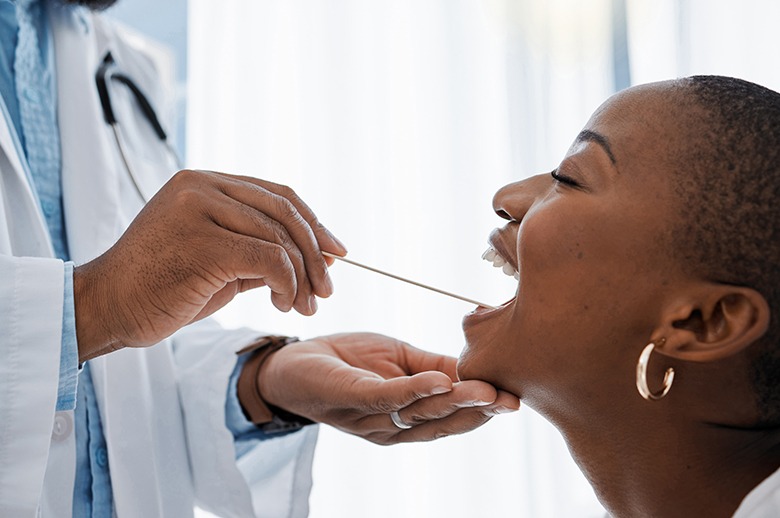
A screening is quick, comfortable, and completely painless. Your provider gently checks the lips, tongue, cheeks, and throat, and feels the neck and jaw for any unusual signs. It takes only a few minutes and is a routine part of your visit, giving you real peace of mind.
Simple habits, real protection
“Consistent home care plus regular screenings is the combination that works. Neither one alone is enough, but together they give you the strongest defense.”
Building a Prevention Routine With Your Dental Team
The best prevention routine pairs your daily habits at home with regular professional care. Most patients do well with a checkup and cleaning every six months, though some may benefit from more frequent visits based on their needs.
How often to schedule visits
Every six months works well for most families, and each visit is a chance to catch small issues before they grow. If you use tobacco, drink alcohol regularly, or have a history of mouth concerns, we may suggest coming in more frequently for closer monitoring.
Partnering with a local family dental practice
Choosing a practice you trust makes prevention feel effortless. Our Murphy Dental Group team in Oak Park gets to know your smile over time, which helps us notice changes and keep your care personal. We are here for routine visits and for those moments when something feels off.
Explore Invisalign Stories Guided by Dr. Brandon Murphy
Experience matters when it comes to aligner care. Patients who explore Invisalign stories guided by Dr. Brandon Murphy often mention feeling supported and informed at every step.
With over 1200 hours of continuing education, advanced training, and a commitment to staying current with evolving techniques, leadership at Murphy Dental Group, PLLC reflects a deep investment in patient outcomes. After earning a Fellowship award, Dr. Murphy achieved his Mastership award in 2025, a distinction held by less than 2 percent of dentists.
In addition, a Fellowship from the Academy of Clear Aligners is reserved for top clinicians in North America. As of 2025, fewer than 140 providers have earned this recognition.
Combined with being a Top 1% Diamond Invisalign provider, these credentials reassure patients that their care is guided by experience, precision, and ongoing education.
You can learn more about the approach and philosophy behind this care by visiting the Meet the Doctors page.
See Real Smile Transformations Shared by Invisalign Wearers
Transformation stories inspire confidence. Patients love seeing progress, not just in photos but in everyday interactions.
When you see real smile transformations shared by Invisalign wearers, you notice more than alignment changes. You see renewed confidence, relaxed expressions, and genuine smiles.
These transformations reflect consistency, professional planning, and personalized care. They also remind future patients that meaningful change happens gradually and steadily.
Getting Started With Care at Murphy Dental Group, PLLC
Patients interested in aligner care can explore available options through the practice’s dedicated Invisalign services page. Flexible financing options are also available; details are available in the payment plans section.
Find us
Ready to build a prevention routine? Call us at 708-524-0330 to schedule your visit and screening in Oak Park, IL. Scheduling a visit is easy through the Contact Us page. Patients can also find the office location using this Google Maps link or plan their visit with driving directions.
Frequently asked questions
| Q: Can good oral hygiene prevent cancer?
Good oral hygiene cannot guarantee cancer prevention, but it supports a healthier mouth and is linked to lower risk for some cancers. It works best combined with avoiding tobacco and heavy alcohol use and keeping regular dental checkups for early detection. |
| Q: Can I use salt water as mouthwash every day?
A warm salt water rinse is fine for soothing a sore mouth for a short time, but it should not replace daily brushing and flossing. For everyday freshness, a gentle mouth-friendly rinse is a better choice than relying on salt water all the time. |
| Q: What foods prevent oral cancer?
No single food prevents oral cancer, but a balanced, colorful diet supports your overall health. Crunchy fruits and vegetables, leafy greens, and plenty of water are friendly choices, while limiting sugary and acidic drinks helps protect your teeth and gums. |
| Q: How to prevent gum cancer?
Lower your risk by avoiding tobacco, limiting alcohol, protecting your lips from the sun, and keeping up strong daily brushing and flossing. Just as important, schedule regular dental visits so any early changes in your gums can be caught quickly. |
Remember: Good oral hygiene supports a healthier mouth, but brushing and flossing alone cannot completely prevent oral cancer. Avoid tobacco, limit alcohol, protect your lips from the sun, and attend regular dental screenings.
Disclaimer: This content is for general educational purposes and should not replace professional dental or medical advice. Contact your dentist promptly if you notice a mouth sore, lump, patch, or other unusual change that lasts longer than two weeks.