
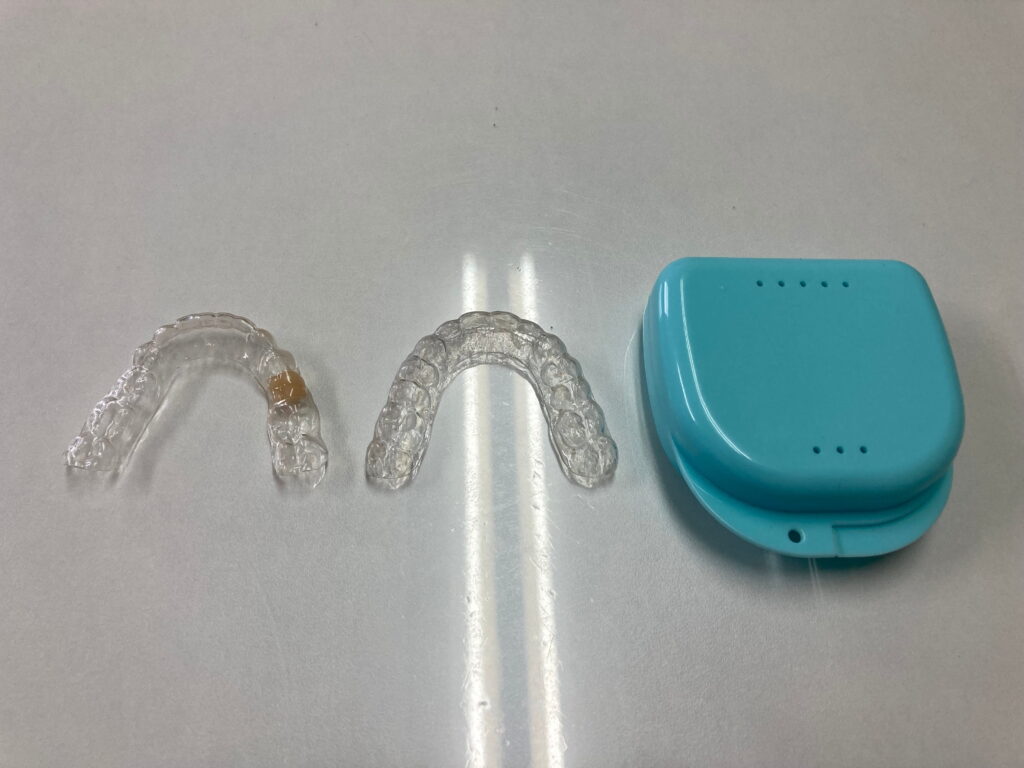
| Quick answerTo prevent stains during Invisalign treatment, wear your aligners about 23 hours a day, rinse and brush before reinserting them, clean your trays daily with gentle, non-abrasive products, and limit consumption of highly pigmented beverages such as coffee, tea, and red wine. |
| 23 hrsRecommended daily aligner wear | 30 minHabit to rinse or brush before reinserting | DailyHow often to clean trays |
Key takeaways
|
Quick Answer: How to Keep Aligners and Teeth Stain-Free
The simplest way to prevent stains and discoloration during Invisalign treatment is to keep both your teeth and your trays clean throughout the day and to wear your aligners about 23 hours daily. Clean trays paired with good brushing habits leave very little chance for pigment and plaque to settle in.
The short checklist for a clear, bright smile
- Wear your aligners roughly 23 hours a day.
- Rinse your mouth and trays with water often.
- Brush and floss before placing trays back in.
- Clean your aligners gently every day.
- Limit deeply colored drinks and sauces.
- Skip abrasive products on trays and attachments.
Who this guide helps in Oak Park, IL
This guide is written for anyone in Oak Park, IL who wants to finish clear aligner treatment with a bright smile and crystal-clear trays. Whether you just started or you are several trays in, these habits are easy to fold into a busy schedule. Our team at Murphy Dental Group, PLLC sees patients of every age who want practical, no-fuss advice.
Why Aligners and Teeth Discolor During Treatment
Aligners and teeth discolor mainly because pigment and plaque get trapped against the tooth surface and the tray for extended periods. Since trays fit your teeth closely, anything left behind stays in contact rather than being washed away by saliva.
How clear aligner material picks up color
Clear aligner plastic can gradually pick up color when it sits in contact with pigmented liquids and food residue. Studies looking at aligners exposed to common beverages found measurable color changes over time, which shows why keeping trays rinsed and clean makes a real difference. You can review one of these findings on color stability of clear aligners exposed to beverages.
What beverages and pigments do to aligners
Dark, richly colored drinks are the biggest offenders. Coffee, tea, cola, and red wine all carry strong pigments that cling to plastic and enamel. Research comparing different staining agents found that some drinks discolored aligner material more than others, reinforcing the value of rinsing after anything deeply colored.
Stains around attachments explained
Attachments are small, tooth-colored bumps bonded to certain teeth to help the trays grip and move them. Because plaque and pigment can gather at the edges where the attachment meets the tooth, that spot may look darker if it is not cleaned well. Careful brushing around each attachment keeps these areas looking natural.
Is Discoloration Normal While Wearing Aligners?
Some minor yellowing of trays is normal, especially near the end of a two-week set, and it is usually cosmetic and reversible with cleaning. Discoloration on your actual teeth is less common and worth a closer look if it does not respond to good home care.
When yellowing is cosmetic and reversible
If your trays look slightly dull or yellow but rinse clean and brighten with gentle cleaning, that is simply surface buildup. This is one reason a fresh set of trays feels so clear. Consistent daily cleaning keeps this buildup from becoming noticeable.
When to have a dentist take a closer look
Have your dental team take a closer look if you notice darkening of the teeth, staining that won’t come off, or spots that keep returning quickly. Persistent changes can occasionally indicate plaque buildup or other issues that may benefit from a professional evaluation, as noted in research on tooth discoloration during treatment.
A clinical note from Dr. Brandon Murphy
“The patients who finish with the clearest trays and brightest smiles are the ones who make cleaning a quick habit rather than an occasional deep clean. A few seconds after meals adds up to a big difference over the course of treatment.” – Dr. Brandon Murphy, DDS
The 30-Minute Habit That Protects Your Smile
The 30-minute habit means giving your teeth a quick clean within about 30 minutes before you settle your trays back in place. This short window keeps pigment and food residue from being pressed against your teeth under the trays.
What the guideline means in practice
In practice, this guideline is about timing. When you take a short break, a quick rinse and brush before reinserting the trays prevent residue from being sealed against the enamel. It is a simple rhythm that becomes second nature within the first week or two.
Rinsing and brushing timing
1 |
Rinse first Swish with water to loosen residue and freshen your mouth right away. |
2 |
Brush gently Give the teeth a gentle brushing so no pigment or film remains. |
3 |
Rinse your trays Give the aligners a quick rinse with water before they go back in. |
4 |
Reinsert cleanly Seat the trays on freshly cleaned teeth to keep both looking bright. |
Daily Cleaning Routine That Prevents Buildup
A daily cleaning routine that prevents buildup combines good brushing and flossing for your teeth with a gentle, consistent clean for your trays. When both are handled every day, stains rarely get a chance to form.
Brushing and flossing before reinserting trays
Brush twice a day and floss daily so plaque does not sit trapped under your aligners. The American Dental Association outlines simple, reliable home care steps you can follow, available in its guide to home oral care. Clean teeth mean cleaner trays.
Cleaning aligners the safe way
Clean your trays gently with a soft brush and cool water, and rinse them each time you take a break. Cool water matters because hot water can warp the plastic. A consistent, light, clean beat beats an occasional aggressive one.
Use these
|
Avoid these
|
Cleaning agents research supports
Research comparing cleaning agents found that gentle, appropriate cleaners keep trays clearer without roughening the surface. A rough surface holds onto stains more easily, so gentler is genuinely better here. You can read more in this study on cleaning agents and aligner surfaces.
Foods and Drinks That Cause the Most Staining
The foods and drinks that cause the most staining are deeply pigmented ones: coffee, tea, red wine, cola, and richly colored sauces. Rinsing soon after enjoying them keeps their color from settling in.
High-pigment culprits to watch
| Item | Why it stains | Smart habit |
| Coffee and tea | Strong dark pigments | Rinse soon after |
| Red wine | Deep color and acidity | Rinse and brush later |
| Cola and dark sodas | Color plus sugar | Limit and rinse |
| Tomato and curry sauces | Bright, clingy pigments | Rinse well |
| Berries and beets | Natural strong dyes | Brush afterward |
Smarter swaps and habits
- Choose water more often throughout the day.
- Pair colorful meals with a glass of water for easy rinsing.
- Keep a travel toothbrush handy for quick cleanups.
- Rinse right after anything dark before settling trays back in.
Caring for Attachments Without Discoloration
Care for attachments by cleaning gently around each one every day and avoiding anything gritty that could dull or discolor them. Because they blend with your tooth color, keeping them clean keeps them nearly invisible.
Gentle cleaning around bonded attachments
Angle your soft brush around the edges of each attachment where plaque likes to gather. A slow, thorough pass matters more than pressure. Flossing near these spots helps clear anything the brush misses.
Avoiding abrasive products
Skip abrasive toothpaste and harsh scrubbing on attachments, since a scratched surface picks up color faster. Gentle daily care keeps them smooth and their tooth-colored finish intact. This is the same principle that keeps your trays clear.
Professional Support and Whitening Considerations
Your dental team supports a stain-free experience by monitoring your shade, cleaning areas you cannot reach, and guiding any whitening decisions at the right time. Professional checkups catch small issues before they grow.
How your dental team helps monitor shade
At routine visits, we compare your tooth shade over time and clean around attachments and gumlines, where buildup can hide. This regular oversight keeps discoloration from sneaking up on you. It also lets us adjust your home routine if needed.
Whitening during treatment: what evidence shows
Whitening decisions during treatment are best made with your dentist, because timing and product choice matter. One study examined the use of carbamide peroxide gel during clear aligner treatment and reported shade improvement; you can review the research on whitening gel used with aligners. We will help you decide whether whitening fits your plan and when to do it.
Booking a Family Dentistry visit in Oak Park
To keep your smile on track, schedule a checkup with our Family Dentistry team in Oak Park, IL, or call 708-524-0330. A short visit helps us keep your teeth healthy and your trays looking their best.
Explore Invisalign Stories Guided by Dr. Brandon Murphy
Experience matters when it comes to aligner care. Patients who explore Invisalign stories guided by Dr. Brandon Murphy, a Top 1% Diamond provider of Invisalign, often mention feeling supported and informed at every step.
With over 1200 hours of continuing education, advanced training, and a commitment to staying current with evolving techniques, leadership at Murphy Dental Group, PLLC reflects a deep investment in patient outcomes. After earning a Fellowship award, Dr. Murphy achieved his Mastership award in 2025, a distinction held by less than 2 percent of dentists.
In addition, a Fellowship from the Academy of Clear Aligners is reserved for top clinicians in North America. As of 2025, fewer than 140 providers have earned this recognition.
Combined with being a Top 1% Diamond Invisalign provider, these credentials reassure patients that their care is guided by experience, precision, and ongoing education.
You can learn more about the approach and philosophy behind this care by visiting the Meet the Doctors page.
See Real Smile Transformations Shared by Invisalign Wearers
Transformation stories inspire confidence. Patients love seeing progress, not just in photos but in everyday interactions.
When you see real smile transformations shared by Invisalign wearers, you notice more than alignment changes. You see renewed confidence, relaxed expressions, and genuine smiles.
These transformations reflect consistency, professional planning, and personalized care. They also remind future patients that meaningful change happens gradually and steadily.
Getting Started With Care at Murphy Dental Group, PLLC
Patients interested in aligner care can explore available options through the practice’s dedicated Invisalign services page. Flexible financing options are also available; details are available in the payment plans section.
Scheduling a visit is easy through the Contact Us page. Patients can also find the office location using this Google Maps link or plan their visit with driving directions.
Frequently asked questions
| Q: How do I avoid staining with Invisalign?Keep both your teeth and trays clean throughout the day. Wear your aligners about 23 hours daily, rinse and brush before placing trays back in, clean your trays gently every day, and limit deeply colored drinks like coffee, tea, and red wine. |
| Q: Is it normal for teeth to discolor during Invisalign treatment?Slight yellowing of the trays near the end of a set is normal and usually cleans away. Discoloration on the actual teeth is less common and warrants a professional evaluation if it does not resolve with good home care. |
| Q: Why am I getting stains from my Invisalign?Stains usually form when pigment and plaque get trapped against your teeth or trays for long periods. Deeply colored drinks and skipped cleaning are the most common reasons, and rinsing plus gentle daily cleaning solves most of it. |
| Q: What is the 30-minute rule with Invisalign?The 30-minute habit means cleaning your teeth within about 30 minutes before settling your trays back in. A quick rinse and gentle brush stops residue from being pressed against your teeth under the aligners. |
Remember: Clean teeth and clean trays are the whole secret to preventing stains. Wear your aligners about 23 hours a day, rinse often, and maintain gentle daily care.
Disclaimer: This article is for general educational purposes and is not a substitute for personalized dental advice. Please consult your dentist for guidance specific to your smile.